



Olive oil tasting Pula: visit us and try our EVOO Bilini
Our olive oil tasting room in Pula is located at Vidikovac 68. Opening Hours: Monday–Saturday, 10:00 AM to 1:00 PM
We, who live in the Mediterranean, use extra virgin olive oil because we love its taste and smell. We know it’s healthy, but honestly speaking, for most of us, that’s not the main reason why we regularly pour it over our salad. It is not totally clear to us why high polyphenol olive oil should be particularly interesting.
In regions with different culinary traditions, it seems that an additional incentive is needed to include olive oil in the daily diet. And before we marvel at the “strange” eating habits of others, let’s look at ourselves. Chia pudding is great. But… would you even try it if you didn’t know how healthy it is?
Polyphenols are compounds that are regularly found in plant-based foods. They can be found in fruit, vegetables, spices, tea, herbs, wine, dark chocolate, and – of course – in extra virgin olive oil.
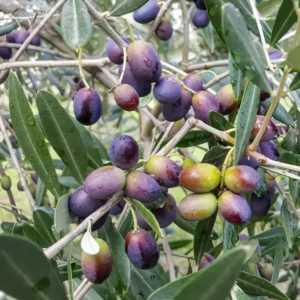
Polyphenols are known antioxidants, which means that they can neutralize harmful free radicals that would otherwise damage our cells and increase the risk of conditions like cancer, diabetes, and heart disease. They also reduce inflammation in the body, which is considered the main cause of many chronic diseases.
More than 8,000 types of polyphenols have been identified. There are categorized in four basic groups:
Flavonoids make up about 60% of all polyphenols and are found in apples, onions and dark chocolate 🙂 to name a few.
Phenolic acids make up about 30% of all polyphenols and are found in fruits (among them, in olives!), vegetables, whole grains and seeds.
Polyphenol amides can, for example, be found in chili peppers and oats.
There is the well-known resveratrol from red wine, but also found in compounds from berries, turmeric, flax seeds, and whole grains.
The most important feature of extra virgin olive oil is the high content of phenolic components, which differ in composition and saturation depending on the variety, climatic conditions, maturity and method of olive processing. As effective natural antioxidants, they protect olive oil from autoxidation changes, thus contributing to the stability of the oil in terms of preserving its quality and durability. So, they also protect the olive oil itself from deterioration.

Extra virgin olive oil contains 25 types of polyphenols.
Refined olive oil only contains traces of polyphenols, which are removed during the refining process and then added back after the refined oil is mixed with small amounts of virgin or extra virgin olive oil, before it is bottled and sold.
Although there are brands that list the polyphenol content of their olive oils directly on the label, there are a few tips that can help you identify high polyphenol olive oil in any store or market.
Polyphenols accumulate in olives earlier than oil and decrease steadily as the fruit ripens. Therefore, there are more of them in the early olive harvest.
Olives harvested in temperate (versus arid) climates also have higher levels of polyphenols. This is probably due to the speed of ripening of olives in these specific climatic conditions.

If you buy monovarietal oil, pay attention to the characteristics of that variety in terms of polyphenol content.
Finally, if none of this information is readily available, choose spicy oils over mild ones. Oils that have a robust taste are such also due to the high presence of polyphenols. Our extra virgin olive oil features moderately mild spiciness, yet its polyphenol content is high! The synergy of various varieties shows its advantages here as well. Take a look at the Bilini chemical analysis 😉
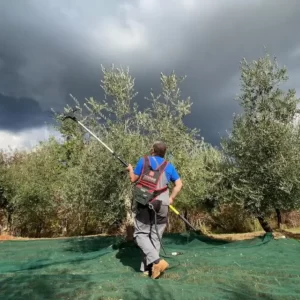
The healing component of olive oil is important to many people. In this case, trust in the manufacturer is extremely important. Polyphenols can degrade over time, especially if the oil is not stored properly. In addition, the harvest time is also something to consider. The harvest in our olive groves ended at the end of October, and there are producers who harvest olives until Christmas…
Scientists propose to classify high polyphenol olive oils as medicinal, depending on the amount of polyphenols they contain. The United States Food and Drug Administration (FDA) does not require producers to list polyphenols in olive oils, which can make it difficult to determine whether an olive oil is truly a high-quality medicinal olive oil.
The European Food Safety Agency has determined that only olive oils with more than 250 mg/kg of polyphenols can carry the scientific claim that they are medicinal. There is no such label on our olive oil that it is medicinal – although we could very well put it there, since EVOO Bilini packs a polyphenol content of as much as 453 mg/kg.
We produce for gourmets. The healthy component in EVOO Bilini oil is just a very welcome “side effect”! 😊
Our olive oil tasting room in Pula is located at Vidikovac 68. Opening Hours: Monday–Saturday, 10:00 AM to 1:00 PM
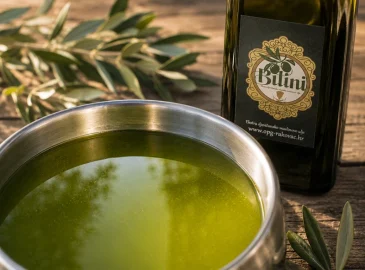
Polyphenols in olive oil are responsible for the bitterness, pungency, and quality of extra virgin olive oil. Discover what the EVOO Bilini chemical analysis reveals.
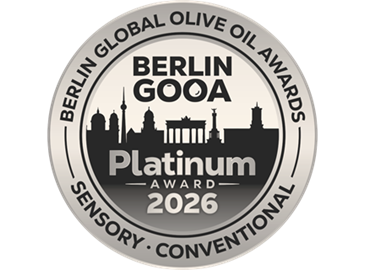
We are proud to announce that our extra virgin olive oil Bilini has won the Platinum Award at the prestigious international competition Berlin GOOA 2026
Leave a Reply